

Samsung Washer Repair in Spring, TX
Hard water mineral buildup is common in the Spring area and can damage Samsung washer components over time, particularly drum seals and inlet valves that bear the brunt of scale accumulation. Power surges from the frequent severe weather in this region can also harm the washer's control board and motor. Spring Appliance Repair Pros connects you with independent local repair providers who can diagnose and restore your Samsung washer quickly, so you're not managing laundry backlog while waiting for service.
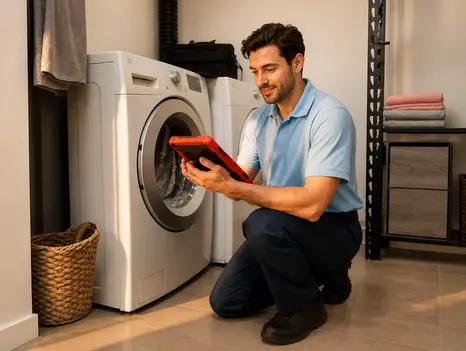

Samsung Washer Repair Services in Spring, TX
Samsung washers are a fixture in many Spring homes, but the region's hard water conditions can take a toll on these machines over time. Mineral buildup inside drums, valves, and fill lines happens gradually and silently—until your washer starts draining slowly, making unusual noises, or refusing to complete a cycle. When hard water damage combines with the electrical stress that frequent thunderstorms and power fluctuations bring to appliances throughout the greater Houston area, Samsung washers can fail unexpectedly. Homeowners in neighborhoods like Old Town Spring and Gleannloch Farms know that a broken washer isn't just an inconvenience; it disrupts the whole household.
Spring Appliance Repair Pros connects you with independent local providers who understand Samsung washer systems and can diagnose the real source of the problem—whether it's a clogged inlet filter, a drum seal, a motor issue, or an electronic control board fault. These technicians approach each repair methodically, pinpointing what went wrong and explaining your options before moving forward. Because they're local to Spring, they can often reach you quickly when you need help, and they follow up to make sure the repair holds. If your Samsung washer has stopped working or is acting up, reaching out for a service appointment is the next practical step.
Common Samsung Washer Error Codes
Not every code means a repair bill. Seven of these twelve Samsung washer codes are usually something you can clear yourself; the remaining five involve a part inside the unit.
Samsung Washer 4C
Often clearable without a technician
What it means: The washer asked for water and did not get what it expected, so it has stopped rather than run a cycle dry. Samsung shows this as 4C on newer panels, 4E on older ones and nF on some models — one fault, three displays.
Why it happens: Almost always something before the machine rather than inside it: a supply tap not fully open, a kinked fill hose behind the unit, or the small mesh screens where the hoses meet the washer silted up with scale and grit.
What you can check: Check both taps are fully open, then pull the machine out far enough to see the fill hoses are not kinked. If that looks fine, turn the taps off, unscrew the hoses at the machine end and look at the inlet screens for debris.
When to call someone: If the supply is good and the screens are clear, the inlet valve on the machine is next, and that is where it stops being an owner check.
Samsung Washer Ub
Often clearable without a technician
What it means: The load has gone off balance in the tub and the washer will not spin it at speed, because an unbalanced drum at spin speed can damage the machine.
Why it happens: Usually one heavy item on its own — a towel, a bath mat, a single pair of jeans — or a load that has twisted into a rope on one side of the drum.
What you can check: Open the door, redistribute the load by hand and restart the spin. Adding a couple of similar-weight items often settles it; washing one heavy item alone rarely spins well.
When to call someone: If it trips on every load including well-balanced ones, the suspension or the sensor reading the drum may need looking at.
Samsung Washer 4E
Often clearable without a technician
What it means: The same not-filling fault as 4C, shown as 4E on older Samsung panels.
Why it happens: A closed or partly closed tap, a kinked fill hose, or blocked inlet screens where the hoses connect.
What you can check: Work from the wall in: taps fully open, hoses unkinked, then the inlet screens at the machine end.
When to call someone: If water reaches the machine freely and it still will not fill, the inlet valve needs testing.
Samsung Washer SE
Often clearable without a technician
What it means: Water is not leaving the machine at the rate the cycle expects, or is not leaving at all. Shown as 5E, SE, 5C or nd depending on the panel.
Why it happens: The debris filter at the bottom front catches coins, hair grips and lint and eventually packs solid. A kinked drain hose or a standpipe that cannot take the flow does the same thing from further down the line.
What you can check: Open the small flap at the bottom front, drain the residual water into a tray and clean the filter. Then check the drain hose behind the machine for kinks and that it is not pushed too far into the standpipe.
When to call someone: If the filter is clean and the hose run is clear, the drain pump itself needs testing.
Samsung Washer UE
Often clearable without a technician
What it means: The same unbalanced-load condition as Ub, shown as UE on some Samsung models.
Why it happens: A single heavy item, or a load that has bunched to one side of the drum.
What you can check: Redistribute the load by hand and restart the spin.
When to call someone: If balanced loads also trip it, the drum suspension is worth checking.
Samsung Washer dC
Often clearable without a technician
What it means: The washer cannot confirm the door is shut and locked, so it will not start or will stop mid-cycle.
Why it happens: Most often laundry caught in the door seal stopping it closing flush, or a door that has been slammed rather than pushed shut.
What you can check: Open the door fully, clear anything caught around the seal, and close it firmly without forcing it. Check the latch and the strike plate for anything obstructing them.
When to call someone: If nothing is obstructing it and the lock still will not engage, the door lock assembly is the usual cause.
Samsung Washer SUd
Often clearable without a technician
What it means: The washer has detected far more foam than the drum is designed to handle, and is pausing to clear it before continuing.
Why it happens: Usually too much detergent, or a standard detergent used in a high-efficiency machine, which foams several times more than an HE formula.
What you can check: Let the machine run its own suds-clearing routine rather than cutting the cycle short. Next load, reduce the dose and check the detergent is HE-rated if your machine needs one.
When to call someone: If it appears with a correct HE dose, something may be holding water in the drum and it is worth having checked.
Samsung Washer 5C
Often clearable without a technician
What it means: The same not-draining fault as 5E and SE, shown as 5C on some Samsung panels.
Why it happens: A packed debris filter at the bottom front, a kinked drain hose, or a standpipe that cannot take the flow.
What you can check: Clean the filter behind the flap at the bottom front, draining the residual water into a tray first, then check the hose run behind the machine.
When to call someone: If the filter is clean and the hose is clear, the drain pump needs testing.
Samsung Washer nF
Often clearable without a technician
What it means: The washer is not filling — the same fault Samsung shows as 4C and 4E on other panels.
Why it happens: A tap that is not fully open, a kinked fill hose, or the inlet screens where the hoses meet the machine blocked with scale and grit.
What you can check: Check both taps, straighten the hoses, then turn the taps off and inspect the inlet screens at the machine end.
When to call someone: If water reaches the machine freely and it still will not fill, the inlet valve is next.
Samsung Washer OE
Usually needs a technician
What it means: There is more water in the tub than there should be, so the washer has stopped filling and is trying to pump out.
Why it happens: Normally the inlet valve passing water when it has been told to close, rather than anything to do with the load or detergent.
What you can check: Turn the supply taps off at the wall so no more water can arrive. There is no owner-side fix for a valve that will not shut.
When to call someone: Promptly — a valve stuck open is a flood risk as well as an error code.
Samsung Washer 0E
Usually needs a technician
What it means: The same overfill condition as OE, shown with a zero on some panels.
Why it happens: An inlet valve letting water through when it should be closed.
What you can check: Shut the taps at the wall to stop the fill. Nothing else here is an owner check.
When to call someone: Promptly, for the same reason as OE.
Samsung Washer ddC
Often clearable without a technician
What it means: The AddWash door — the small hatch in the main door — is not registering as closed and latched.
Why it happens: It is easy to push shut without seating the catch, and a trapped sock or glove will stop it closing flush.
What you can check: Open the AddWash door fully, clear anything caught in it, and press it closed until the catch engages.
When to call someone: If it is properly shut and still reads open, the hatch switch needs checking.
Samsung Washer HE
Usually needs a technician
What it means: A fault in the heater circuit, so the machine cannot bring the wash water up to the temperature the cycle asked for.
Why it happens: A component failure rather than anything that builds up, so it usually appears without warning.
What you can check: Nothing here is an owner check — the heater and its circuit are inside the machine.
When to call someone: When you see it. Cold-water cycles may still run, but the machine is not doing what the programme selected.
Samsung Washer 5E
Often clearable without a technician
What it means: The same not-draining fault Samsung shows as SE and 5C on other panels.
Why it happens: A packed debris filter at the bottom front, a kinked drain hose, or a standpipe that cannot take the flow.
What you can check: Open the flap at the bottom front, drain the residual water into a tray and clean the filter, then check the hose run.
When to call someone: If the filter and hose are clear and it still will not drain, the drain pump needs testing.
Samsung Washer LE
Usually needs a technician
What it means: Moisture has been found somewhere inside the machine it should not be — a leak, not a setting.
Why it happens: Water escaping from a hose connection, a seal or the tub reaches a sensor that shuts the cycle down.
What you can check: Turn the supply taps off at the wall and stop using the machine. The code says water is escaping but not from where.
When to call someone: This needs a technician — tracing the source means getting behind or under the machine.
Samsung Washer 3E
Usually needs a technician
What it means: A motor fault — the drive is not behaving the way the control expects.
Why it happens: A failure in the motor or its control circuit rather than anything to do with the load or detergent.
What you can check: Nothing here is an owner check. A single power-cycle at the breaker clears a one-off glitch; a code that returns is real.
When to call someone: If it comes back after a power cycle, the motor circuit needs testing.
| Code | What it means |
|---|---|
| Ub / UE / U6 | The load is unbalanced inside the tub, so the washer cannot spin it safely. |
| 5E / SE / 5C / nd | Water is not draining at the rate it should, or is not draining at all. |
| dC / dC1 / dL | The door is not being detected as closed and locked, so the cycle will not run. |
| SUd / Sd | An over-sudsing condition has been detected and the machine is pausing to let the foam clear. |
| OE / 0E / OC | There is too much water in the washer, which normally means the inlet valve is passing water when it should be shut. |
| LE / 1C | Moisture has been detected somewhere inside the machine that it should not be, which is a leak rather than a setting. |
| HE / HC | A fault in the heater circuit, so the machine cannot bring the water up to temperature. |
| 3E / 3C | A motor fault — the drive is not behaving as the control expects. |
| tE / tC | The temperature sensor is reporting a reading outside the range the cycle allows. |
| bE2 / 6E2 | A button on the control panel is reading as stuck or continuously pressed. |
Don't see your code? Call (281) 657-7733 — we'll help you track it down.
Common Samsung Washer Problems We Fix
Won't Drain
A clogged drain filter, kinked hose, or pump failure often stops water from leaving the drum. The local provider we connect you with will locate the blockage and restore proper drainage so your wash cycle completes.
Leaking Water
Worn door seals, loose inlet hose connections, or internal tub cracks cause pooling around the machine. A provider from our network will identify the source and repair or replace the faulty part to stop the leak.
Error Code on Display
Samsung washers show error codes like 4C when sensors or components malfunction. The independent provider you're connected with reads the code, diagnoses the underlying issue, and performs the needed repair or part replacement.
Loud or Vibrating
Worn drum bearings, foreign objects caught inside, or an off-balance load create noise and shaking. A local provider we connect you with can pinpoint the cause and repair the washer to restore quiet operation.
Won't Start
A faulty door latch, broken control board, or electrical connection issue prevents the cycle from beginning. The provider from our network will test components and fix or replace what's stopping your washing machine from running.
Not Spinning
A damaged drive belt, motor failure, or transmission problem leaves clothes soaking wet. An independent provider we connect you with will diagnose the mechanical fault and restore the spin cycle so clothes dry faster.
Why Spring Homeowners Trust Spring Appliance Repair Pros
Samsung Washer Repair Expertise
Local providers in the Spring Appliance Repair Pros network bring hands-on experience with Samsung washer repair across a range of models and failure types. Quick diagnosis means faster turnaround and clearer next steps for your household.
Fast Samsung Washer Response
When a Samsung washer stops working, you need help soon. The referral network connects you to independent repair providers nearby, cutting travel time and getting your laundry back on track without unnecessary delay.
Clear Samsung Washer Repair Communication
Transparent explanations of what's wrong and what repair costs matter. Local independent providers work directly with you, answering questions upfront so you understand the issue and your options before work begins.
Samsung Washers Face Hard Water Challenges
Spring-area water mineral content builds up inside Samsung washers over time, reducing efficiency and triggering drainage or cycle issues. Local providers understand this regional wear pattern and can identify mineral-related damage early, protecting your machine's longevity.
How Our Repair Service Works
Schedule Your Samsung Washer Repair Visit
Contact Spring Appliance Repair Pros and describe your Samsung washer issue—whether it's a leak, cycle failure, or error code. We'll connect you with a local independent provider who serves Spring and can arrange a time to assess your machine.
Technician Diagnoses Your Samsung Washer
The independent provider arrives to inspect your Samsung washer, checking components, connections, and performance. In Spring's hard water environment, mineral buildup in water inlet valves and hoses is common; the technician will identify this and any other damage affecting your washer's function.
Samsung Washer Repair & Follow-Up
Once the problem is confirmed, the independent provider performs the repair—replacing worn seals, clearing clogs, or repairing internal parts specific to your Samsung model. You'll receive an explanation of the work completed and guidance on maintaining your washer going forward.
Need appliance repair in Spring? Our technicians can help fast.
Call (281) 657-7733Samsung Washer Repair Across Spring, TX
Spring's water chemistry plays a significant role in how Samsung washers perform over time. The region's hard water naturally deposits mineral scale inside washing machine components—inlet valves, hoses, and drum seals—reducing water flow and forcing motors to work harder. This buildup is especially common in established neighborhoods like Gleannloch Farms and Spring Lakes, where older homes may have experienced years of mineral accumulation. Newer construction areas tend to see the issue develop more gradually, but all Spring properties eventually contend with the same mineral-rich groundwater.
Beyond water quality, electrical stress from frequent severe weather affects Samsung washers throughout the area. The Gulf Coast region experiences regular thunderstorms and occasional tropical systems that introduce power surges into home circuits. These surges can damage the control boards and motors that modern Samsung models rely on, sometimes without visible warning signs. Whether you're in Cypresswood or another part of Spring, finding a local repair provider who understands both water-related wear and weather-induced electronic failures is essential to keeping your washer running reliably.
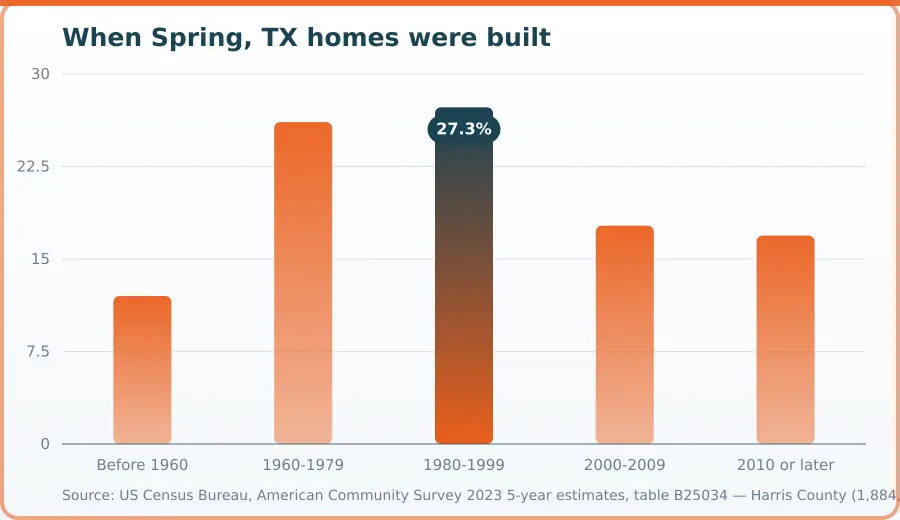
| Period | When homes were built (%) |
|---|---|
| Before 1960 | 12 |
| 1960-1979 | 26.1 |
| 1980-1999 | 27.3 |
| 2000-2009 | 17.7 |
| 2010 or later | 16.9 |
Source: US Census Bureau, American Community Survey 2023 5-year estimates, table B25034 — Harris County (1,884,607 housing units; county figure, as this location is not a separate Census place). Retrieved November 10, 2026.
Samsung Washer Repair FAQ — Spring, TX
Samsung Washer Repair addresses issues like drum problems, water leaks, control board failures, and motor malfunctions. A local technician will diagnose the specific issue, replace worn seals or damaged parts, and test the machine before finishing. The repair scope depends on whether the problem is mechanical, electrical, or plumbing-related.
Spring Appliance Repair Pros connects you with independent local repair providers in Spring who can often respond quickly to urgent washer issues. Response times vary, but because the technicians are local to the area, you typically won't wait long to get your Samsung washer evaluated and repaired.
Samsung Washer Repair costs depend on the part that failed, whether it's under warranty, and labor complexity. A simple seal replacement differs greatly from a control board or motor replacement. The independent provider you're connected with will explain the diagnosis and pricing before proceeding with any repair work.
Before the repair appointment, empty your washer completely and clear the surrounding area so the technician has space to work. Note any unusual sounds, error codes, or when the problem started—this information helps the provider diagnose faster. If water is leaking, turn off the machine and water supply to prevent further damage.
Regular maintenance extends your washer's life. Clean the drum and seals monthly, don't overload cycles, and use the correct detergent amount. Use a rinse cycle periodically to flush buildup, and check hoses for cracks or bulges before they fail.
Spring's hard groundwater leaves mineral scale inside washing machines over time, affecting water flow, seals, and performance. Additionally, the area experiences frequent electrical power fluctuations from severe weather, which can stress Samsung washer electronics and motors. These regional conditions make regular maintenance and prompt repairs especially important for Spring homeowners.
More Repairs for This Brand
Homeowner Safety Toolkit
Confirm Who You're Hiring in Spring, TX
Before you hire anyone, use these independent national resources to confirm credentials, standards, and track record.
BBB
Look up any appliance repair company's complaint history, customer reviews, and accreditation status — a free, independent check before you hire.
Check StandingNFPA
A poorly repaired dryer, range, or water heater is a real fire risk. The National Fire Protection Association's home safety guidance covers what to check after any appliance service.
Appliance Fire Safety TipsCPSC
Check whether your specific appliance has an open safety recall before paying for a repair — some recalls cover the fix or a replacement for free.
Check for RecallsBook your Spring appliance repair today.
Call (281) 657-7733Where We Cover Near Spring, Texas
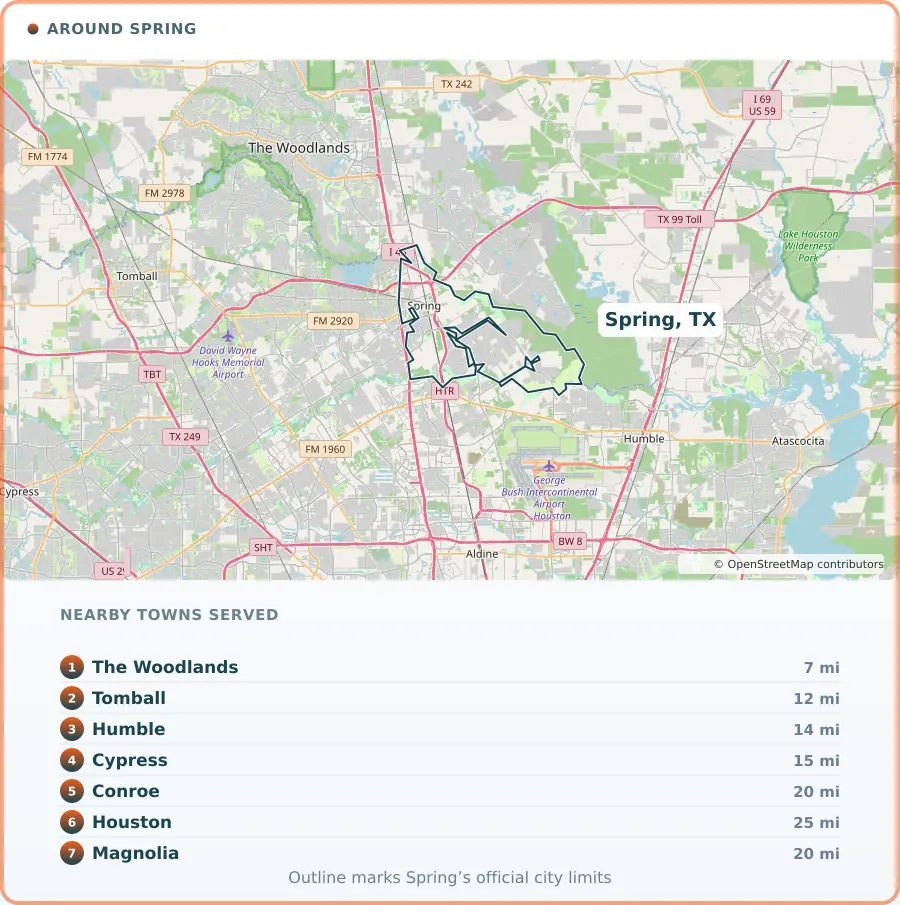
Serving Spring, TX and 7 communities around it. Local knowledge of how each area is built shapes how the work is handled there.
About Spring, TX
Just north of Houston along the I-45 corridor, Spring, TX has grown into one of the region's liveliest suburban hubs, home to roughly 63,378 residents. The energy sector anchors much of the local economy, with a major ExxonMobil campus nearby, while healthcare systems like Memorial Hermann and HCA Houston Healthcare, Lone Star College, and two sizable school districts, Spring ISD and Klein ISD, round out a steady mix of jobs in retail, education, and professional services.
Spring's character shows up in its patchwork of master-planned communities and historic pockets, from the shops and small-town charm of Old Town Spring to the quiet, tree-lined streets around Gleannloch Farms. It's a place built for everyday family life, where new construction and established neighborhoods sit comfortably side by side.
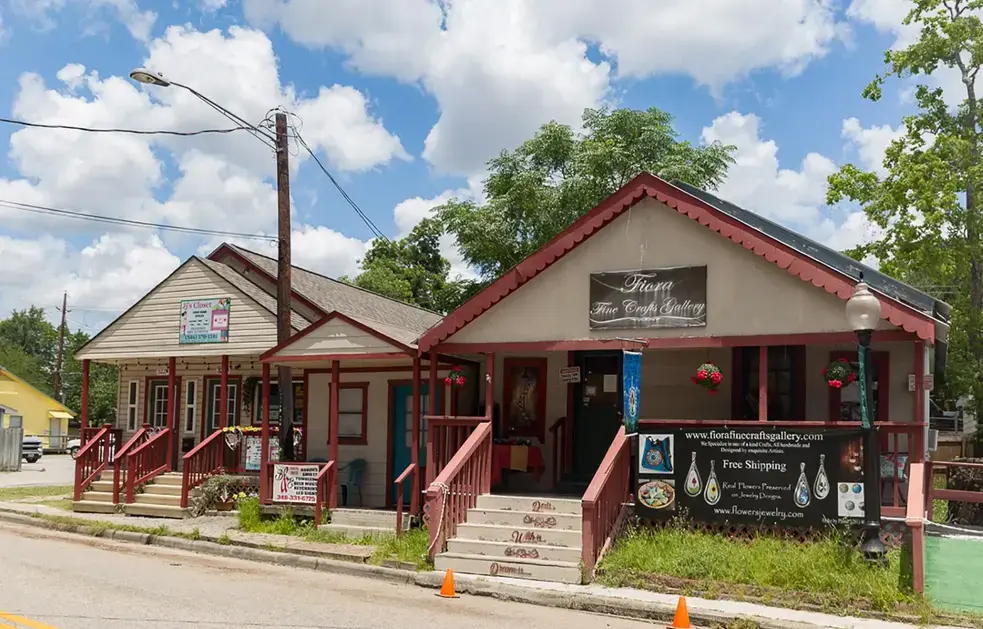
Photo: Renelibrary, CC BY-SA 4.0